Season 1, Ep 8: Squeeze the Juice Out: The Power of Hope Leadership and Habits in the Modern Workplace
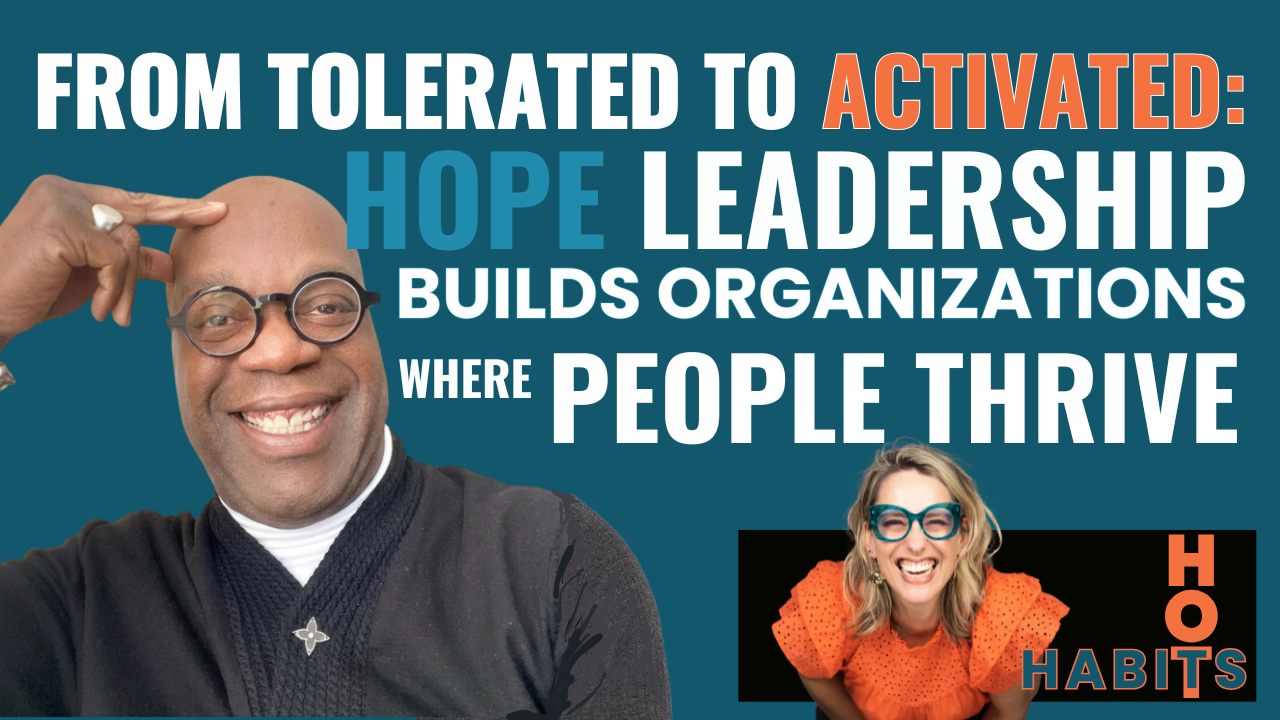
Season 1, Ep 8: Squeeze the Juice Out: The Power of Hope Leadership and Habits in the Modern Workplace
How conscious leaders ignite transformation, create true belonging, and unlock employee brilliance
What if the secret to thriving teams and energized organizations was hiding in something as deceptively simple as hope? On Hot Habits with Dr. Tamsin Astor, Simon T. Bailey who is a world-renowned authority on hope leadership and the architect of the Hope Economy, delivered a big, juicy reality check to all the hope skeptics out there. Hope, he argues, isn’t soft; it’s science. It’s the measurable cognitive edge that separates good organizations from the ones that outperform the competition in both retention and productivity by double-digit margins.
Hope, in Simon’s framework, is not a squishy feeling or empty positivity. Anchored in the research of Dr. Rick Snyder, hope is a blend of willpower and way power: the intent to move forward and the actionable small steps that get you there. In workplaces where hope is intentionally cultivated, more people prefer to work for inspiring leaders - even at lower pay - than for those who simply tick the degrees-and-certifications box. That’s a game-changing insight for anyone focused on conscious leadership and sustainable transformation.
The Micro-Habits That Spark Sustainable Change
For both Dr. Tamsin Astor and Simon T. Bailey, the magic is in the daily architecture—the little things done regularly, not reluctantly. Dr. Astor describes habits as the scaffolding that either buries or unleashes our inner brilliance. But as anyone who’s set a New Year’s resolution knows, the world throws curveballs: pandemics, sick kids, late nights, or just plain exhaustion.
Simon’s ritual? Each morning, he grounds himself with silent meditation, gentle music, and journaling—using the Day One app to capture what he’s feeling, what he’s grateful for, and how he wants to make a difference. He starts with himself before leading anyone else, embracing the reality that leading from within is the only way to fuel sustainable performance.
But the mechanics matter: it’s about micro-moments, micro-steps, done over and over. Consistency, not intensity, is what allows hope and habits to move from performance to regeneration.
Beyond Toxic Positivity: Hope vs. Fear in Real Leadership
Both Dr. Astor and Simon called out a major pain point in modern business culture: the façade of “toxic positivity.” Mindless affirmations and pseudo-wellness just frustrate people when they’re facing real adversity. Authentic hope doesn’t ignore fear; it identifies and addresses it.
Drawing from behavioral psychology, Simon highlights that nearly all humans wrestle with two core fears: the fear of loss, and the fear of not being enough. Hope isn’t about ignoring these fears; it’s about building agency through incremental progress, making people feel seen, valued, and safe. When leaders cultivate environments where people are celebrated (not just tolerated), trust, resilience, and innovation flourish.
Environment is Everything: The Anatomy of Hope-Driven Workplaces
The neuroscience is clear: environmental structure impacts our sense of safety, creativity, and belonging. Simon’s research found that 74% of working Americans would prefer leaders trained in workplace trauma, a sign that people crave more than KPIs and quarterly quotas—they want connection.
Simon shares simple, actionable strategies: start virtual meetings with a personal show-and-tell to humanize colleagues, learn each team member’s appreciation language, and recognize them in ways they genuinely value. These high-quality connections build the belonging and psychological safety that organizations need for real productivity and retention.
The Legacy of Hope Leadership: Letting Go and Lighting the Way
What’s the legacy version of hope leadership? It’s a “catch and release” mindset: foster talent when it belongs, celebrate people when they’re ready for new journeys. True leaders don’t cling to the way things used to be; they adapt, empower, and stand back so others can rise.
Simon and Dr. Astor both underscore that leaders must never outsource their brains—or their hearts—entirely to technology. The real edge lies in conscious leadership, critical thinking, and emotional intelligence.

Season 1, Ep 10 How Ed Brown Excites Business by Blending KPIs, Energy & Nervous System Leadership


